
Feeding and Nutrition for Farm Animals
Proper feeding and nutrition are the foundation of a healthy, productive farm. Whether you keep dairy cows, beef cattle, sheep, goats, pigs, poultry, or horses, understanding the nutritional needs of each species and life stage will help you maintain animal health, maximize production, and reduce feed costs and waste.
This practical guide covers balanced diets, feeding schedules, supplements, feed storage, and tips to trim waste and expense without compromising animal welfare.
Fundamentals of Balanced Diets
A balanced diet provides energy (carbohydrates and fats), protein, vitamins, minerals, water, and fiber (for ruminants). Requirements depend on species, age, physiological state (growing, lactating, gestating), and production goals.
- Energy: Usually provided by forages, grains, and byproduct feeds. Monitor body condition to avoid under- or overfeeding.
- Protein: Essential for growth, reproduction, and milk production. Legume hays, oilseed meals, and commercial concentrates supply protein.
- Vitamins & Minerals: Often added as premixes. Calcium, phosphorus, salt, selenium, and trace minerals are commonly deficient in pasture-only systems.
- Water: The most critical nutrient. Clean, fresh water available at all times; production animals require substantially more.
Species-Specific Practical Feeding Guides
Cattle (Dairy & Beef)
Dairy cows need energy-dense rations during lactation: quality forage plus a balanced concentrate to meet milk yield demands. Beef cattle require diets tailored to growth stage; finishing rations are higher in energy.
Recommendations:
- Feed based on dry matter intake (DMI) rather than as-fed weight.
- Use total mixed rations (TMR) where possible to ensure uniform nutrient intake.
- Provide free-choice minerals, and test forages and silages regularly.
Sheep & Goats
Smaller ruminants need high-quality forage and supplemental grain for pregnant or lactating animals. Avoid sudden diet changes to prevent rumen upset.
- Monitor body condition score (BCS) regularly and adjust feeding.
- Provide trace mineralized salt; consider copper supplementation for sheep cautiously due to toxicity risks.
Pigs
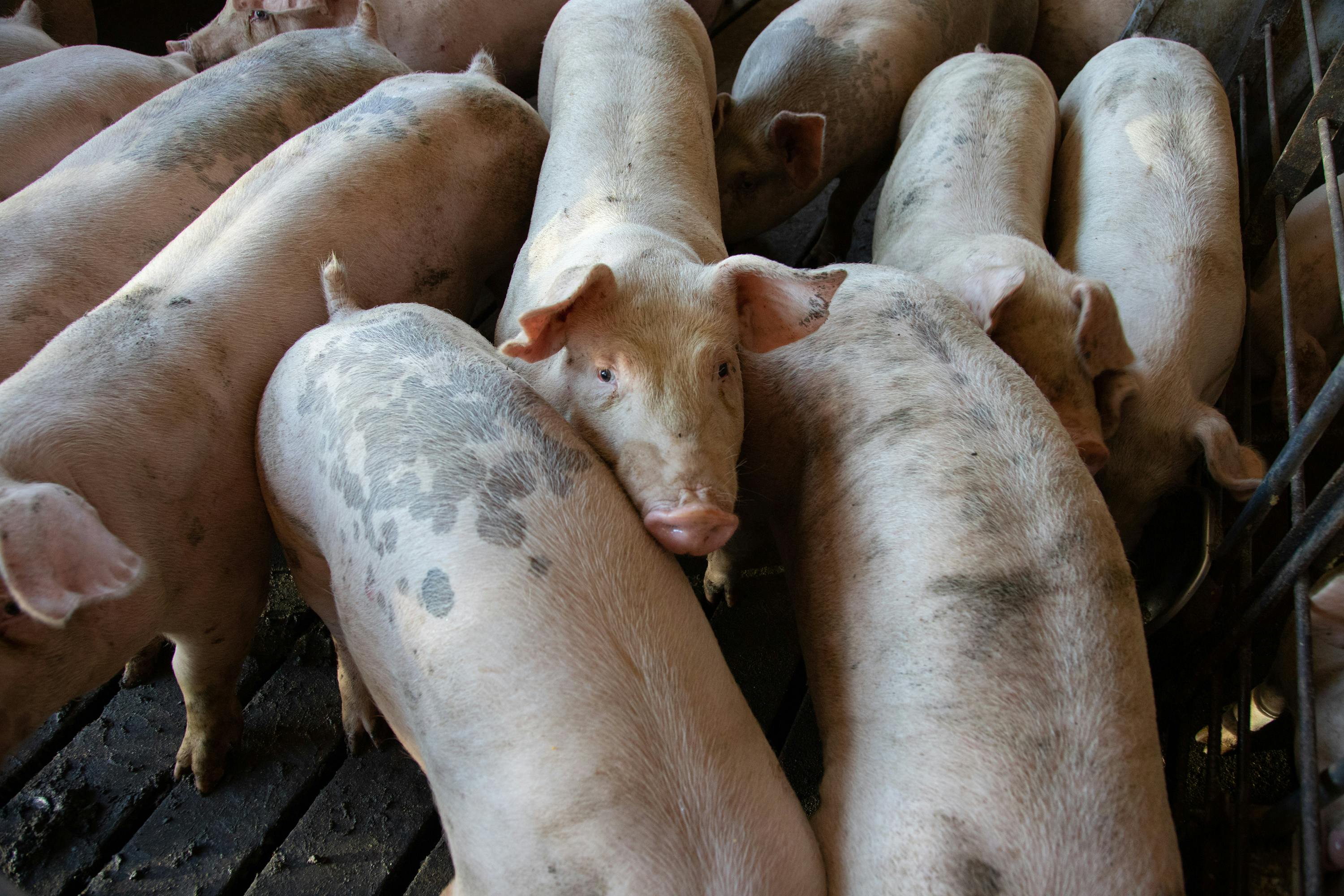
Pigs require energy and high-quality protein. Formulate diets by life stage: starter, grower, finisher, and lactating sow rations. Feed consistency and pellet quality influence feed conversion.
- Ensure proper feeder design to minimize spillage.
- Phase feeding can reduce costs by matching nutrient supply to growth stages.
Poultry
Layer and broiler diets differ greatly. Layers need calcium for strong eggshells; broilers need highly digestible protein and energy for rapid growth.
- Provide grit where birds have access to whole grains.
- Maintain strict biosecurity and feed hygiene to prevent contamination.
Horses
Horses are hindgut fermenters that rely on good-quality forage as the base of the diet. Concentrates should supplement, not replace, forages. Monitor body condition and dental health.
Feeding Schedules and Management
Consistent feeding times help maintain digestive health. Key points:
- Divide daily rations into multiple feedings for ruminants and horses to mimic natural grazing and reduce digestive upsets.
- For pigs and poultry, automated feeders can provide steady intake and reduce labor.
- Adjust rations seasonally: higher energy in cold months, fresh forage in growing season.
Supplements: When and What
Supplements can correct deficiencies or improve performance but should be used based on need:
- Mineral mixes: Provide free-choice or mixed into rations according to species needs.
- Vitamins: Typically included in premixes; additional supplementation may be needed for stressed or recovering animals.
- Probiotics & enzymes: Can improve gut health and feed efficiency, particularly after antibiotic use or diet changes.
- Fat and bypass protein: Useful in high-producing dairy cows to increase energy density without overloading the rumen.
Feed Storage, Handling, and Safety
Proper storage reduces spoilage and mycotoxin risk. Key practices:
- Keep feeds dry and ventilated; seal and rotate stock (first in, first out).
- Protect grain and silage from rodents and water ingress.
- Test for mycotoxins and moisture content, especially in warm, humid climates.
Tips to Reduce Waste and Cost
Efficient feeding reduces costs and environmental impact:
- Optimize rations with forage testing and feed analysis to avoid over-supplying nutrients.
- Use precision feeding: match the diet to each group’s needs (e.g., heifers, dry cows, lactating cows).
- Improve bunk design and feed delivery to reduce trampling and spillage.
- Consider alternative feeds and byproducts (brewers’ grains, distillers’ grains) after nutritional evaluation.
- Practice rotational grazing to increase pasture yield and reduce purchased feed.
Monitoring and Record-Keeping
Track feed intake, body condition scores, production metrics, and health events. Records allow you to spot trends, diagnose problems, and refine feeding programs.
When to Call a Specialist
Consult an animal nutritionist or veterinarian when facing persistent production drops, reproductive failures, unexplained weight loss, or suspected toxin exposure. Professional feed formulation and ration balancing can often pay for themselves through improved efficiency.
Practical Checklist
- Test your forages annually and update rations accordingly.
- Provide clean water and minerals at all times.
- Feed by group and life stage to prevent over- or underfeeding.
- Maintain good storage and handling to reduce spoilage.
- Keep concise records and review them monthly.
Good nutrition is not a one-time task but an ongoing management activity. With careful planning, monitoring, and small investments in storage and feeding infrastructure, most farms can improve animal health and productivity while cutting feed costs and waste.
If you have specific questions about formulating rations for a particular species or production goal, leave a comment below or consult a qualified animal nutritionist.
Very useful overview — especially the tips on storage and testing forages. We switched to testing this year and saw a clear drop in our supplement costs.
Good emphasis on water and mineral availability. I’d add that producers should check copper and selenium regionally, as soil levels vary widely.
Helpful guide for newcomers. Can you post sample rations for lactating ewes and finishing lambs?
For broilers, pellet quality and feed particle size make a big difference in conversion rates. Worth investing in a good feed mill service if you produce your own rations.
Nice summary. Remember that byproduct feeds need careful lab analysis — variable composition can lead to imbalances if assumed constant.