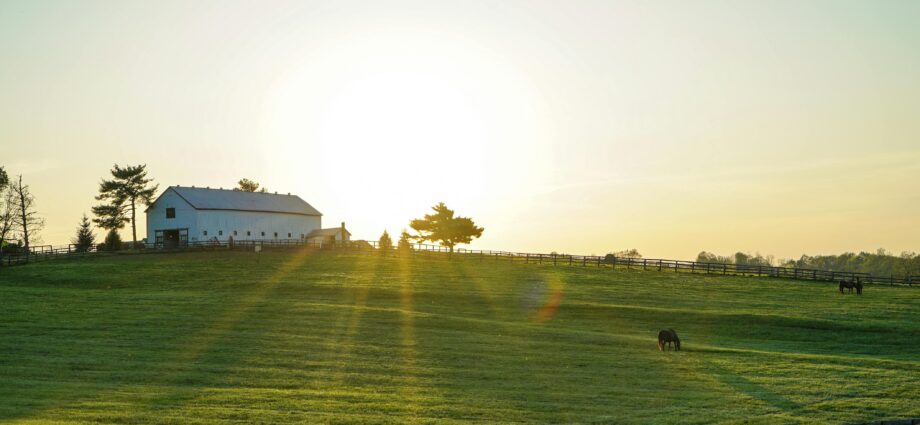
Farming in the 21st century means balancing productivity with stewardship. Sustainable and ethical farming practices promote animal welfare, protect soil and water resources, and build resilience against climate variability. This post outlines practical strategies for pasture rotation, manure management, humane handling, and other eco-friendly practices that can strengthen both farm health and animal wellbeing.

Pasture Rotation: Planning for Soil Health and Animal Welfare
Pasture rotation, or rotational grazing, is a cornerstone of sustainable livestock management. By moving animals between paddocks on a planned schedule, farmers can:
- Prevent overgrazing and allow forage to recover, improving long-term productivity.
- Reduce parasite burden by breaking life cycles of many internal parasites.
- Distribute manure more evenly, enhancing soil fertility naturally.
- Improve animal welfare by ensuring continuous access to nutritious forage and minimizing stressful, crowded conditions.
Implement a simple rotation plan based on forage height and growth rates rather than fixed dates. Monitor forage with a quick visual check and measure height in key paddocks. Adjust stocking density and rotation frequency seasonally to match growth.
Manure Management: Turning Waste into Resource
Manure is a valuable resource if managed correctly. Good manure management reduces pollution risk, improves nutrient cycling, and can even provide energy. Best practices include:
- Composting manure to kill pathogens and parasites while stabilizing nutrients for safe field application.
- Using buffer zones and proper storage to protect waterways from runoff and leaching.
- Testing soil and manure to calculate application rates that meet crop needs without overloading nitrogen or phosphorus.
- Exploring anaerobic digesters or biogas systems on larger operations to produce renewable energy and reduce odors.
Humane Handling: Low-Stress Techniques for Better Outcomes
Humane handling improves animal welfare and reduces injuries and stress-related production losses. Low-stress livestock handling techniques are simple to adopt:
- Design handling facilities with animal psychology in mind: solid sides to prevent distractions, curved chutes, and appropriate lighting.
- Train staff in quiet, patient handling techniques—avoid shouting, sudden movements, and excessive use of prods.
- Schedule routine procedures (vaccinations, hoof care) to minimize prolonged restraint and provide recovery space.
- Record behavior and health indicators to identify problems early and adjust management accordingly.
Eco-friendly Practices to Improve Farm Resilience
Beyond the core practices above, integrating additional eco-friendly strategies builds resilience and supports long-term viability:
- Increase on-farm biodiversity with hedgerows, trees, and mixed-species pastures to support pollinators and beneficial insects.
- Adopt water-saving techniques such as rotational trough placement, rainwater harvesting, and efficient irrigation for forage crops.
- Minimize synthetic inputs by using cover crops, green manures, and targeted nutrient management to maintain soil organic matter.
- Implement monitoring systems for soil health, forage mass, and animal welfare indicators to make data-driven decisions.
Putting It Into Practice: Simple Checklist
Start small and scale practices as you see benefits. A practical checklist to begin:
- Map pastures and design a rotation plan with at least 4-6 paddocks.
- Create a composting area and begin routine manure turning and testing.
- Audit handling facilities and train staff on low-stress techniques.
- Plant shelter belts or shade structures and diversify pasture species.
- Monitor outcomes: forage yield, animal body condition, parasite counts, and water quality.
Conclusion
Sustainable and ethical farming is an investment in the future. Pasture rotation, responsible manure management, humane handling, and eco-friendly practices work together to improve animal welfare, protect natural resources, and make farms more resilient to change. Small, consistent improvements can deliver measurable benefits for animals, soil, productivity, and farm profitability.
If you’re starting out, focus on one change at a time and document results. Over seasons and years, the cumulative effect will be a healthier farm ecosystem and animals that thrive.
Great overview — I especially appreciate the practical checklist. We’ve seen big improvements switching to rotational grazing and composting manure on our small sheep farm.
Would love a follow-up post with sample pasture rotation schedules for different climates. The concepts are solid, but regional examples would help implementation.
Humane handling is so important. Training staff changed everything for us — calmer animals, fewer injuries, and better production metrics.